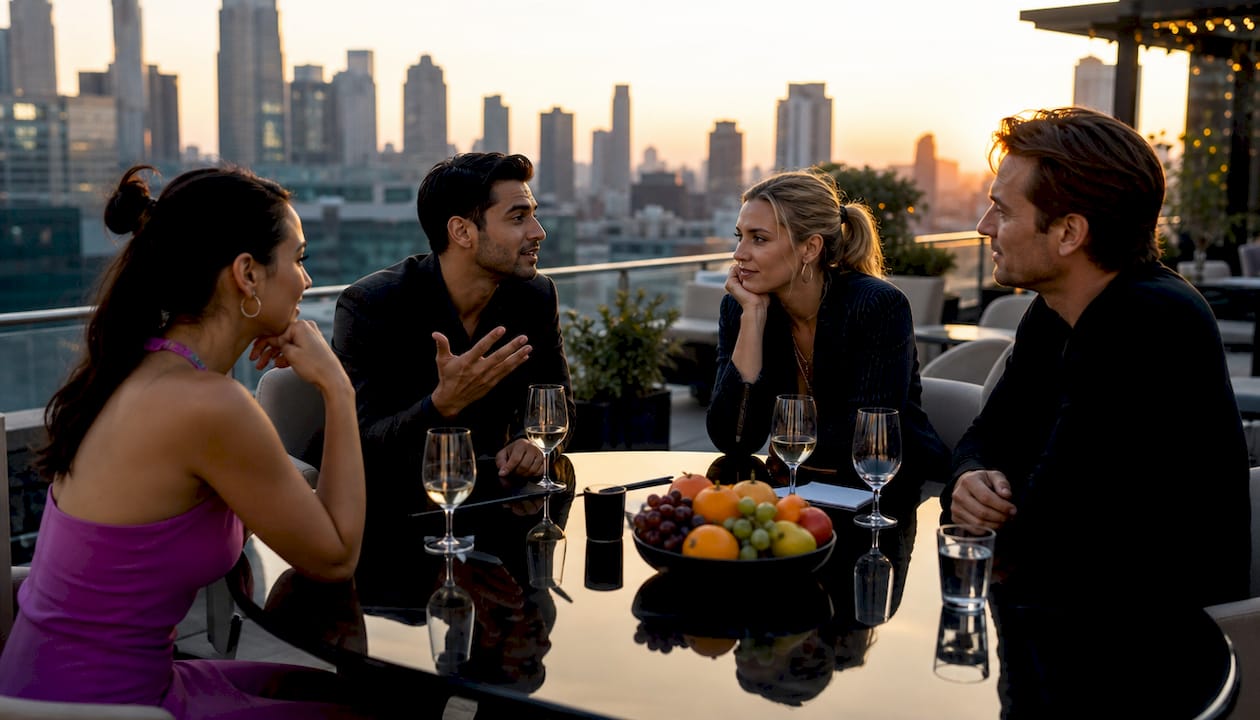
Reality TV conflicts fall into two primary categories: organic interpersonal disputes that arise naturally between cast members, and manufactured conflicts engineered by producers to maximize drama and viewer retention. Understanding these types of reality TV conflicts explains why the genre holds such a powerful grip on audiences. The tension you watch is rarely accidental. It is either the product of genuine human friction under pressure, or the result of deliberate production choices designed to keep you watching. Both types serve a purpose, and both follow recognizable patterns once you know what to look for.
1. What are the types of reality TV conflicts?
Reality TV drama types break down cleanly by origin. Organic conflicts emerge from unscripted, spontaneous clashes between personalities thrown into high-pressure environments. Manufactured conflicts are engineered through production tactics, editing, and environmental design. Most shows rely on both, layering real tension with producer-shaped narrative to create a conflict arc that sustains an entire season.
The distinction matters because it changes how you read what you watch. A screaming match in a shared house may be genuine. The way it is cut, scored, and positioned in an episode is almost never accidental.

2. Organic interpersonal conflicts: the real stuff
Organic conflicts are the most emotionally resonant type of reality TV drama. They arise when real people with different values, communication styles, and ambitions compete for the same prize or share the same space. Competition pressure is the most reliable trigger. When resources are scarce and stakes are high, personality clashes become inevitable.
Common triggers for organic disputes include:
- Perceived unfairness in competition outcomes or judging
- Romantic jealousy in dating formats where multiple people pursue the same person
- Value clashes between contestants with fundamentally different worldviews
- Loyalty conflicts when alliances fracture under pressure
- Status competition in group living situations
The psychological pull of organic conflict is real. Mirror neurons cause viewers to physically feel the emotional intensity of what they watch. That is why a genuine argument between two cast members hits differently than a staged one. Audiences sense authenticity, even if they cannot always articulate why.
A 2013 University of Wisconsin study found that heavy conflict TV viewers overestimate hostility in their own real relationships. That finding reveals how deeply organic conflict content embeds itself in viewer psychology.
Pro Tip: When watching a conflict unfold, pay attention to whether both parties get equal confessional time. Balanced screen time usually signals an organic dispute. One-sided confessionals often indicate editorial shaping.
3. How producers manufacture conflicts and engineer drama
Manufactured conflict is the production industry’s most reliable tool. Producers do not wait for drama to happen. They build the conditions that make drama nearly unavoidable. Psychological profiling is used before filming begins to identify emotional vulnerabilities that can be triggered during production.
The core production tactics include:
- Environmental design. Architectural choices like punishment rooms, uncomfortable sleeping arrangements, and forced proximity are deliberate. Discomfort lowers impulse control and raises the probability of conflict.
- Sleep and resource deprivation. Contestants report that producers restrict sleep and create scarcity to heighten stress and reduce emotional regulation.
- Timed reveals. Producers introduce new information, returning exes, or surprise eliminations at moments calculated to cause maximum disruption.
- Forbidden private resolution. Contestants report being actively discouraged from resolving disputes off-camera, keeping tension alive for filming.
- The “Frankenbite” edit. Editing techniques splice non-concurrent audio and video clips together to fabricate heated exchanges that never happened in a single conversation.
“Formats rely on high stakes, ambiguous alliances, and timed reveals to ensure episodic drama peaks across the season. The payoff loop of teases, reveals, and cliffhangers is staged to maximize social media buzz and sustained viewer retention.”
The ethical line between entertainment conflict and moral harassment is thin. Manufactured conflict crosses into moral harassment when it becomes repetitive, hostile, and designed to degrade participants rather than entertain audiences. Participants sign consent contracts but cannot fully anticipate the psychological effects of what they agree to. That gap is where the industry’s ethical grey area lives.
4. Common conflict archetypes and cast roles
Every reality TV show runs on a small set of recurring character types. These archetypes are not accidents. Casting departments actively seek personalities that fit narrative roles, because those roles generate predictable conflict scenarios that structure a season.
The core archetypes are:
- The villain. Villains escalate tension and maintain episodic momentum. They provoke reactions, push conversations into uncomfortable territory, and give other cast members something to unite against. Viewer outrage at villains is a feature, not a flaw.
- The hero or sweetheart. This person absorbs conflict without initiating it, earning audience sympathy and functioning as the emotional anchor of the show.
- The wildcard. Unpredictable behavior creates uncertainty. Wildcards disrupt alliances and introduce conflict scenarios that neither producers nor other cast members can fully control.
- The strategist. Common in competition formats, this person manufactures social conflict deliberately as a game tactic.
What makes this more interesting is that many contestants consciously adopt villain roles to maximize their screen time. The persona becomes a career move. That self-awareness has changed the dynamic significantly.
Audience sophistication has increased to the point where predictable archetypes no longer land the same way. Casting now prioritizes candidates who behave naturally, because genuine personality-driven stories generate stronger long-term viewer loyalty than caricatures do.
Pro Tip: Watch how a cast member behaves when the cameras are clearly not on them. Authentic personalities stay consistent. Performed archetypes tend to shift when the pressure drops.
5. How conflict types shape reality TV reunions
Reunions are the most concentrated conflict environment in the genre. Producers design them to be high-tension by structure. Every unresolved thread from the season gets surfaced in a single sitting, in front of a live audience, with a host whose job is to keep the confrontations coming.
The table below maps the two primary conflict types to their reunion behavior:
| Conflict type | How it shows up at reunions | Why it escalates |
|---|---|---|
| Organic interpersonal | Raw, emotional, often tearful confrontations | Months of reflection intensify original feelings |
| Manufactured/edited | Disputes over what was “really said” or shown | Contestants see the edit for the first time and react |
| Alliance-based | Public betrayals and loyalty reckonings | Social stakes are now permanent, not just in-game |
| Romantic jealousy | Confrontations with new information about partners | Time away clarifies what was lost or gained |
The edited narrative plays a specific role in reunion conflict. Contestants often watch their own season for the first time alongside the audience. When the edit contradicts their lived experience, the reaction is genuine outrage. That reaction is exactly what producers count on. It is why high-conflict dating franchises like Temptation Island ranked eighth on Netflix as of mid-2026. The reunion payoff drives the entire season’s commercial value.
Social media extends conflict well beyond the reunion itself. Cast members continue disputes on public platforms, and audiences participate by taking sides. That extended arc is not organic. It is a deliberate design feature of how conflict scenarios in reality shows are structured for maximum engagement.
Key takeaways
Reality TV conflicts divide into two clear categories, organic and manufactured, and understanding both is the key to reading the genre critically.
| Point | Details |
|---|---|
| Two conflict origins | All reality TV drama traces back to either organic interpersonal friction or producer-engineered conditions. |
| Production shapes everything | Editing, environmental design, and psychological profiling turn raw tension into structured narrative arcs. |
| Archetypes are intentional | Villain, hero, and wildcard roles are cast deliberately to generate predictable conflict patterns. |
| Reunions amplify both types | Unresolved organic tension and edit-driven surprises combine to make reunions the genre’s highest-conflict events. |
| Authenticity is winning | Audience sophistication is pushing casting toward genuine personalities over performed drama. |
The conflict arms race is running out of road
Watching reality TV for fifteen years, I have seen the conflict formula get pushed further and further until it started eating itself. Shows that relied entirely on manufactured drama, sleep deprivation, and villain archetypes began losing audiences who had simply seen it all before. The “Frankenbite” edit is now common knowledge. Contestants arrive on set having studied the production playbook. That changes everything.
What I find genuinely interesting right now is the split veteran producer Bennett Graebner describes between high-conflict franchises chasing viral moments and observational formats building long-term loyalty. The viral approach works for short-term metrics. The authentic approach builds the kind of audience that stays for years. Those are two completely different businesses with two completely different relationships to conflict.
The ethical dimension is the part the industry still has not resolved. Contestants sign contracts without being able to predict what manufactured conditions will do to them psychologically. That is not a minor footnote. It is a structural problem that will eventually force regulatory attention, especially as more former participants speak publicly about the gap between what they consented to and what they experienced.
My honest take is that the most interesting reality TV right now is the kind that trusts conflict to emerge naturally. When producers stop engineering every beat, the moments that do happen carry real weight. That is what keeps me watching.
— j
What Bolt covers when the drama gets real
Reality TV conflict is more fun when you have somewhere to break it down with people who care as much as you do. Bolt’s Tantrums & Taglines hub covers the full spectrum of reality TV drama, from organic cast blowups to reunion meltdowns, with analysis that goes beyond the surface read.

Whether you want to track how a villain arc develops across a season or understand why a specific reunion went sideways, Bolt brings the context that makes the drama make sense. The platform covers Bravo and beyond, with news, fan discussion, and episode breakdowns updated as shows air. If you take your reality TV seriously, this is where the conversation lives.
FAQ
What are the two main types of reality TV conflicts?
Reality TV conflicts divide into organic interpersonal disputes, which arise naturally from personality clashes and competition pressure, and manufactured conflicts, which producers engineer through editing, environmental design, and psychological tactics.
Why do reality TV reunions get so heated?
Reunions concentrate every unresolved conflict from a season into a single event. Contestants often see their edited portrayal for the first time at reunions, and the gap between their lived experience and the broadcast version generates genuine outrage.
How do producers manufacture conflict on reality TV shows?
Producers use psychological profiling, environmental stressors like sleep deprivation, timed reveals, and editing techniques like the “Frankenbite” to create and escalate conflict that would not otherwise occur naturally.
Do contestants knowingly play villain roles?
Many contestants consciously adopt villain personas to maximize screen time, recognizing that conflict-driven characters get more airtime. Audience sophistication has made this strategy less effective as viewers increasingly recognize performed drama.
Does watching conflict-heavy reality TV affect how viewers see real life?
A 2013 University of Wisconsin study found that heavy conflict TV viewers overestimate hostility in their own real relationships. Regular exposure to high-conflict content can skew perception of normal interpersonal behavior.




Leave a Reply